Trauma therapy for people tired of just getting through it.
We work with adults in Maryland and Virginia who have carried trauma or grief for a long time. Many are veterans, first responders, and people in high-pressure careers. Sessions are virtual, and we use approaches with strong research behind them for PTSD and traumatic stress.

How we can work together
We'll decide together which approach fits your goals, your history, and how much time you have.
EMDR Therapy
EMDR helps your brain reprocess memories that still feel stuck, so they lose their charge. You stay in control throughout, and you won't need to retell every detail out loud.
Cognitive Processing Therapy
Trauma can leave behind beliefs that keep you stuck, like "it was my fault" or "I can't trust anyone." CPT is a structured approach that helps you examine those beliefs and build more balanced ones. It's widely used with veterans and first responders.
Written Exposure Therapy
WET is a brief approach where you write about the traumatic event in a guided, structured way. It's a strong fit if you want focused work in fewer sessions.
EMDR Intensives
Three focused hours of EMDR in one day, in place of weeks of 50-minute sessions. Book one day, or stack two or three.
See intensive optionsDo in a few days what weekly therapy does in months.
Three focused hours of EMDR with Dr. Jordan, one to three days, online for adults in Virginia and Maryland. Payment plans available.
Less waiting. More getting unstuck.
Therapy here is active.
Our clinicians love trauma work and love watching people get unstuck, especially people who thought they were out of options. Sessions have a plan, and we work the plan together.
You'll likely feel at home here if you
- Want to work on the trauma itself, at a pace that feels safe
- Are open to trying a structured approach, even if it feels new
- Are willing to do some practice between sessions
- Want therapy with a clear direction and an end point in sight
What sessions look like
- EMDR: some check-in and relationship building, then most of the session spent processing
- CPT: a structured series of about 12 sessions, with worksheets to practice between them
- WET: a short, focused series of about 5 writing sessions
Looking for ongoing support to talk through life week to week? That's a real need too, and we're glad to point you toward a therapist who specializes in it.
A G-TEP group for veterans who still feel it
It doesn't matter if you left the military three months ago, three years ago, or thirty years ago. If life since service still hasn't fully settled, this group is for you. Maybe sleep is off, you miss the people you served with, or part of you is still on guard.
What this group can do for you
- Hard memories that feel lighter and take up less of your day
- Less time on edge, and more room to rest
- Grounding tools you can use anywhere, long after the group ends
- People who get it, so you don't have to explain where you've been
- Real progress in a few weeks, with a clear finish line
You're a fit if you can say yes to these
- I'm a veteran of any branch, or I'm getting ready to leave the military
- Something from my service, or from leaving it, still weighs on me, no matter how long ago it was
- I live in Maryland or Virginia
- I'm ready to work on it, at a pace that feels safe
Not sure? Join the waitlist anyway. The screening call is where we figure it out together.
How it works
G-TEP is EMDR done in a small group. Each person works on their own memory privately, on a worksheet, so you don't have to share details out loud. It meets online, runs as a short series with a clear start and finish, and starts with a quick screening call to make sure it's a good fit.
What happened in past groups
The results: in Dr. Jordan's past trauma recovery groups, members' PTSD, anxiety, and depression scores went down and their resilience scores went up, measured before and after. Those groups brought together Vietnam and Desert Storm veterans, a military spouse, and a widow. Different wars, different losses, and each person worked on their own memories side by side, without telling their story out loud.
Cost
Insurance: billed through Headway.
Self-pay: $45 per session, for anyone without insurance or who'd rather not use it.
Joining is free and doesn't commit you to anything. Please leave personal health details out of email.
Built for people who often show up for others first.
- Veterans and service members, including moral injury and military transition
- Police, fire, EMS, and other first responders
- Adults navigating traumatic grief and loss
- People of color working through racial trauma
- High-functioning professionals who look fine on paper and feel worn down underneath
You don't have to explain why it still hurts. You just have to show up.
Meet our clinicians
Mindset Quality has two more licensed clinicians in Maryland, both accepting new clients through Headway.

Dr. Arielle Jordan
EMDR, CPT, and WET for trauma, grief, and moral injury, with a focus on veterans and first responders.
Book with Dr. J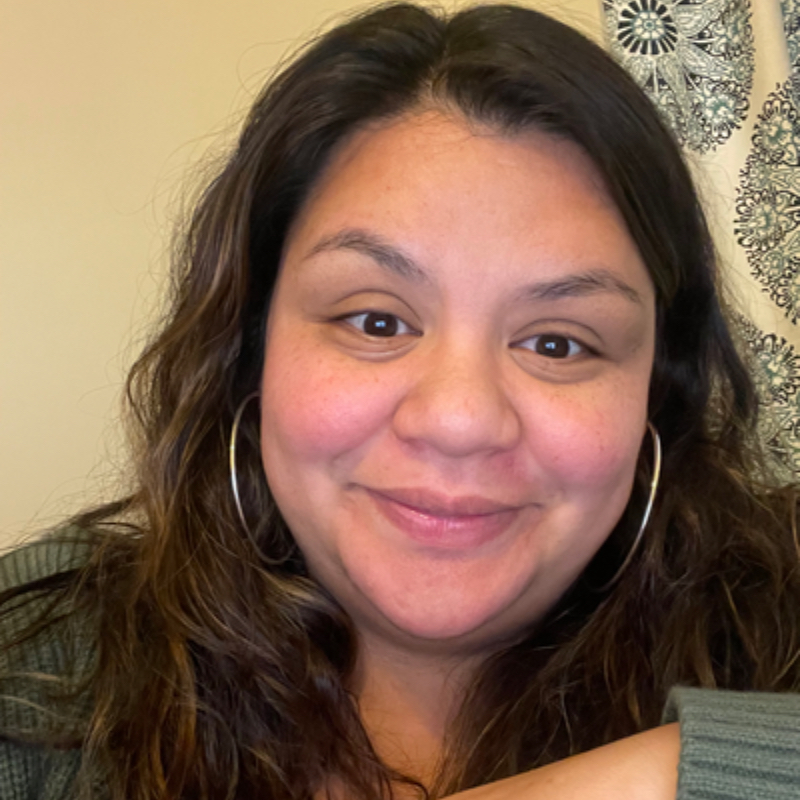
Emilia Henry
Works with adults navigating trauma, anxiety, life transitions, and identity-related experiences. Warm, collaborative, and culturally responsive.
Book with Emilia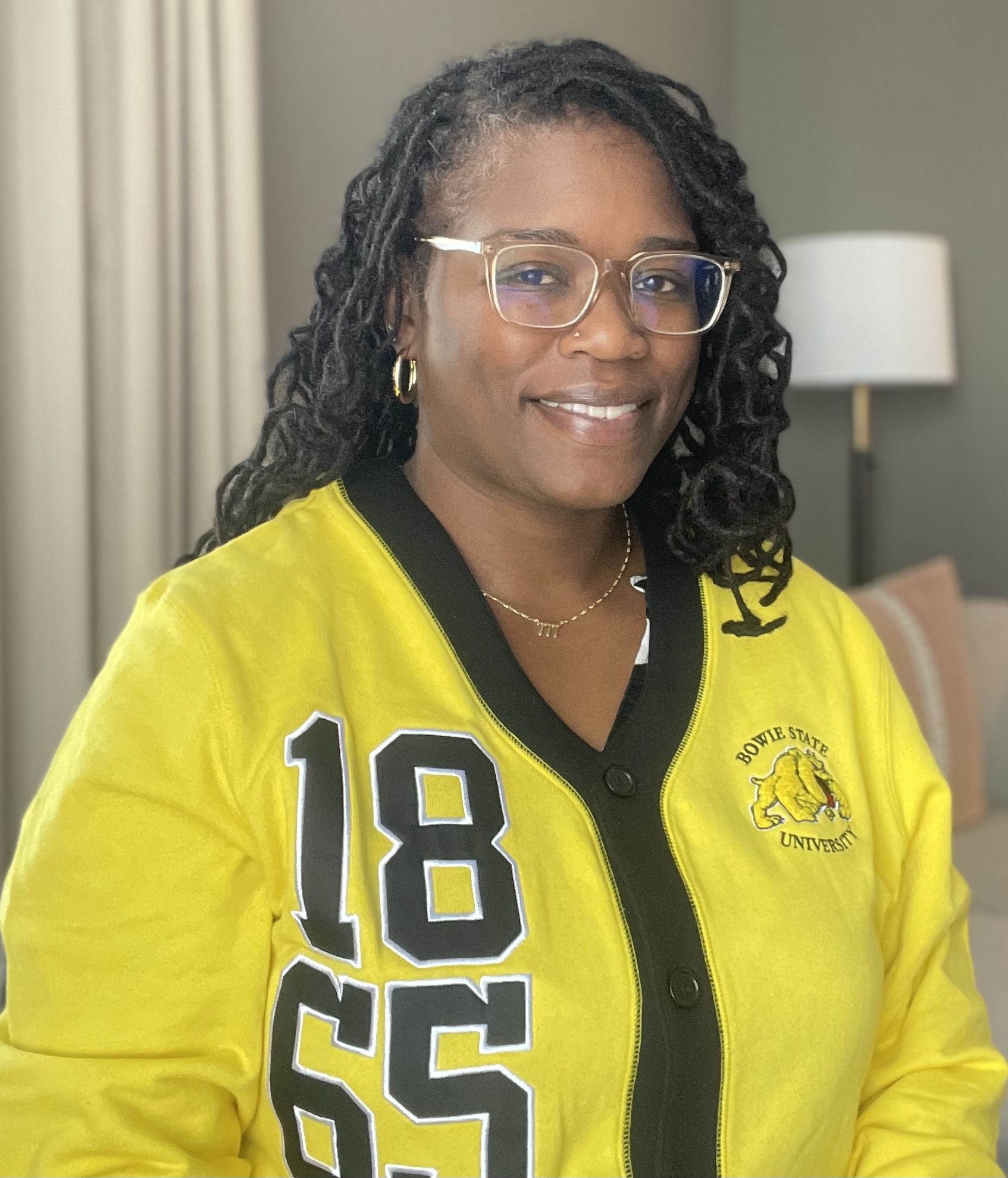
NaTasha Benjamin
Works with adults navigating perinatal mental health, trauma, grief and loss, and major life transitions. Supportive, evidence-based, and culturally responsive.
Book with NaTashaWhat happens next
1. Book a time
Choose your clinician and pick a time. Scheduling and insurance run through Alma or Headway. Prefer to self-pay? The self-pay rate is $195 per session.
2. First session
We talk about what brought you in, what you want to change, and which approach fits.
3. Build the plan
You'll leave with a clear plan, including whether weekly sessions or an intensive makes more sense.
Veterans seeking no-cost care can also apply through The Headstrong Project. If you are in crisis, call or text 988 (veterans press 1).